Future of the Microbiome
2026 Winter Summit

Join Us November 17-19, 2026

The Future of the Microbiome Winter Summit explores what’s next for the microbiome industry, bringing together bright minds and thought leaders across science, innovation, and business.

Join an audience of researchers, brand leaders, healthcare professionals, and innovators as we dive into impactful microbiome research, practical applications of emerging science, and the latest developments shaping prebiotics, probiotics, postbiotics, and live biotherapeutics.

Expect a multidisciplinary that connects emerging science with real-world market opportunity. This event is designed to inspire fresh thinking, foster collaboration, and build partnerships that will unlock the next opportunities in microbiome innovation.

If there is one science to business to business microbiome event you cannot afford to miss, this is it.

17Day OneTuesday, November 17th
9:55 AM30 min
Session

Beyond the Skin: Clinical Insights into the Skin-Gut-Brain Axis: From Assessment to Individualized Intervention

Chronic skin conditions are often approached through a dermatological lens, yet patients may present with a broader range of factors that extend beyond the skin itself. Gastrointestinal symptoms, nutrition, lifestyle, stress, medical history, and other individual factors can all contribute to the clinical picture.

In this presentation, Marcelline Goyen, BSc Dermal Therapy and author, draws on 20 years of clinical experience alongside extensive review of the scientific literature conducted during the development of her books on the skin-gut axis. Through illustrative cases involving chronic eczema, seborrheic dermatitis, and gastrointestinal complaints, she explores how a broader clinical assessment may reveal patterns and associations that are not always apparent from a skin-focused perspective alone.

Using real-world examples, the session examines a key clinical question: can a skin-gut approach be integrated into protocol-driven care, or does it require a more individualized process of assessment, investigation, interpretation, and intervention?
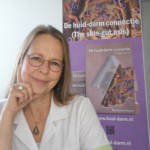
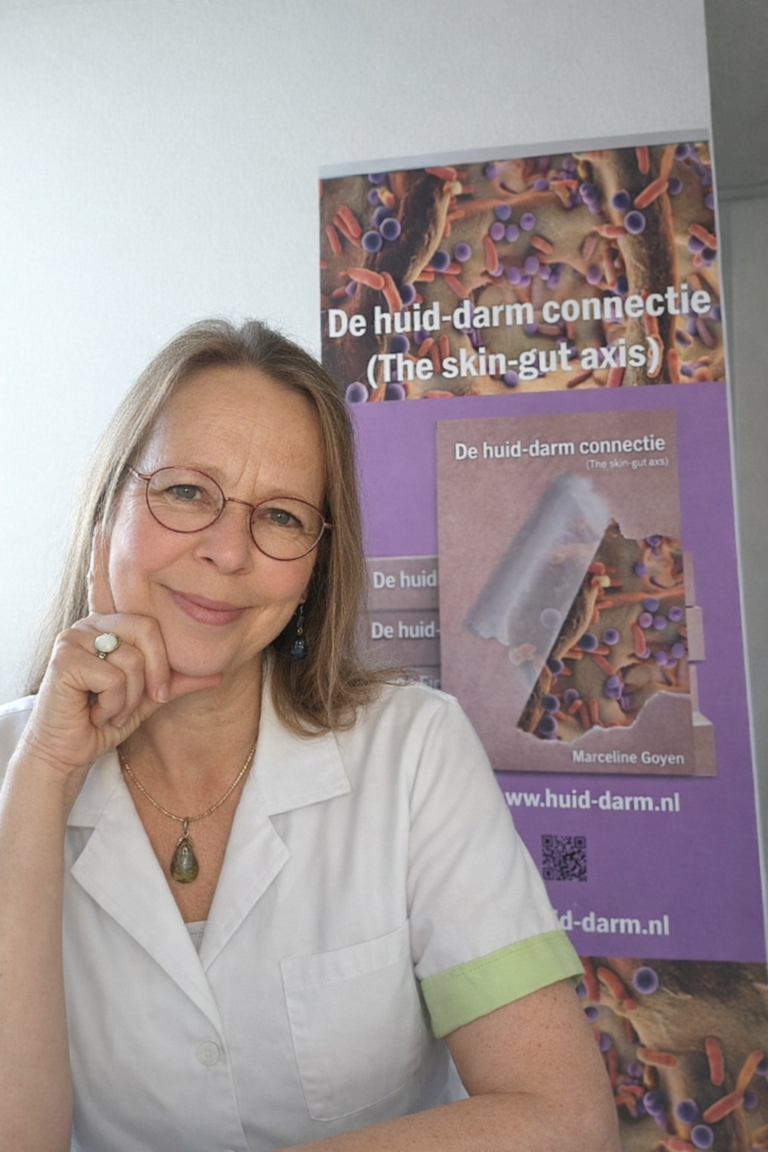
Marcelline Goyen, BSc Marcelline Goyen, BSc · Dermal Therapist (non-practicing), professional educator, author specializing in the complex mechanics of the skin-gut axis and founder of www.skin-gut-axis.com

11:55 AM30 min
Session

Why Prebiotic Claims Fail in Real Products: Bridging the Gap Between Science and Consumer Benefits

Why do promising fibers and biotics fail to deliver consistent consumer benefits? Explore how microbiome variability, microbial functions, dose and formulation challenge conventional claims—and what scientists and industry innovators can do to develop more effective, evidence-based gut health products.

Soledad Gurovic, PhD Soledad Gurovic, PhD · Functional Ingredient Strategist
18Day TwoWednesday, November 18th
9:45 AM30 min
Session

The Gut Microbiome in Preterm Infant Health and Disease: A New Role for Clostridium Species

Early-life gut microbiome development plays a critical role in shaping short- and long-term health. Preterm infants born with <32 weeks of gestation undergo altered gut microbiome development, driven by the complex care needs arising from their physiological immaturity.

Receipt of breast milk is the main driver of infant microbiome composition and can protect against multiple pathologies, through the provision of bioactive factors. These include human milk oligosaccharides (HMOs), which are carbohydrates that cannot be digested by the infant host but are instead metabolised by a narrow group of gut bacteria. But the full scope of HMO-utilising species that colonise preterm infants remains unclear.

Through combining multi-omics and patient-derived intestinal organoid models, we show for the first time that Clostridium species isolated from preterm infants, in particular Clostridium perfringens, metabolise HMOs, producing a range of beneficial metabolites. Furthermore, cell-free supernatants from these strains showed inhibitory effects on common infant pathobionts, generally promoted growth of beneficial microbes and suppressed the inflammatory response in an organoid co-culture model.

These findings reveal a previously undescribed role for C. perfringens strains in gut microbiome-mediated immune education during early life, expand our understanding of HMO-metabolising microbes and lay the groundwork for novel prebiotic and postbiotic therapies."

Dr. Jonathan Chapman Dr. Jonathan Chapman · Vilnius-Utrecht Center for Advanced Disease Modelling, Faculty of Medicine, Vilnius University, Lithuania
10:15 AM30 min
Session

Computer Aided Design of Defined Microbial Communities

Traditional fermented foods are often based on the application of undefined microbial communities such as SCOBYs, milk and water kefir grains. Beverages based on these communities are increasing in sales, partly due to perceived health benefits.

Owing to this increasing popularity, there is a growing demand for controlled and standardised production on an industrial scale. However, industrial-scale production remains a challenge due to the limited knowledge of the biological interactions of the microbial consortia and the lack of defined starter cultures. This presentation will discuss the application of microbial culturing and ‘omics technologies, coupled with bioinformatics analysis, to attempt to deliver improved defined microbial communities for food fermentations.

John Kenny John Kenny · Senior Research Officer at Teagasc Food Research Centre
11:15 AM30 min
Session

Human Milk Oligosaccharides as Natural Modulators of Early-Life Antimicrobial Resistance

Antimicrobial resistance can emerge early in life, making infancy a critical window for preventive interventions. Human milk contains bioactive components, including human milk oligosaccharides (HMOs), that shape the developing gut microbiome and may influence the establishment and spread of antibiotic resistance genes.

This session will explore how breastfeeding, maternal secretor status, and specific HMOs are associated with the infant gut resistome. By connecting human cohort findings with mechanistic and experimental approaches, this research aims to uncover how human milk can help shape early-life microbial communities and inform new strategies to prevent antimicrobial resistance.

Anna Samarra Mas, PhD Anna Samarra Mas, PhD · Postdoctoral researcher in Lars Bode’s laboratory at the University of California San Diego
11:45 AM20 min
Session

Diet-Driven Microbiome Remodeling and Human Energy Balance: Insights from Multi-Tissue Metabolomic Profiling Across Feces, Blood, and Urine

The gut microbiome has emerged as a potential regulator of human energy balance, yet the molecular pathways linking diet-induced microbiome changes to host metabolism remain incompletely understood.

In this session, I will present findings from a tightly controlled, randomized crossover feeding study comparing a high-fiber, minimally processed Microbiome Enhancer Diet with a calorie- and macronutrient-matched low-fiber Western Diet. Using global metabolomics across feces, fasting serum, and 24-hour urine, we identified distinct metabolomic signatures associated with diet-driven microbiome remodeling and energy balance phenotypes. Metabolite network analyses revealed signatures associated with greater energy absorption and lower microbial biomass. Meanwhile, a Microbiome Enhancer Diet induced metabolomic shifts consistent with increased microbial metabolism of dietary substrates such as polyphenols, greater fecal energy loss, and a metabolic profile characterized by increased ketogenesis—a metabolic feature seen in fasting—relative to a Western Diet. These findings provide new insight into host-diet-microbiome interactions and highlight potential mechanisms through which high-fiber diets may influence energy absorption, microbial growth, and obesity-related metabolic pathways. The session will also discuss the potential for metabolomic biomarkers to improve the scalability and translational impact of microbiome-targeted dietary interventions.

Daria Igudesman Daria Igudesman · Postdoctoral Research Fellow at the AdventHealth Translational Research Institute
12:05 PM20 min
Session

Reimagining Blood Pressure Control Via Gut-Driven Solutions

What if the next breakthrough in blood pressure control isn’t in the kidney or the heart, but in the gut? This talk explores how gut microbes and their metabolites shape blood pressure, from mechanistic insights to clinical trials, and what this means for new, microbiome-targeted therapies.

Rikeish R Muralitharan Rikeish R Muralitharan · Research Fellow at Monash University
19Day ThreeThursday, November 19th
9:05 AM40 min
Keynote

No One Eats Alone: The Gut Microbiome as a Spatially Organized Metabolic Food Web

No microbe eats alone. In the human gut, one organism’s metabolic leftovers can become another’s essential fuel. This talk explores the microbiome as a connected food web, where function depends not only on which microbes are present, but on what they exchange—and where those exchanges happen.

Using butyrate production and succinate cross-feeding as examples, we’ll examine how metabolic partnerships and spatial organization shape the gut ecosystem, and what this network perspective changes about how we interpret microbiome research.

David Nelson David Nelson · Co-founder, Earthrise Community within the Planetary Health Alliance, Invited Faculty at the Nova Center for Justice and Mental Well-being
9:45 AM30 min
Session

Biotics Science Communication: Making It Matter

As interest in and research on pre-, pro-, and postbiotics continues to grow, companies face a key question: how do you communicate increasingly complex science in a way that is accurate, credible, compliant, and meaningful to the people you're trying to reach?

Ana’s presentation will explore the foundations of effective science communication in the biotics industry.

It will cover everything from understanding your audience and organizing your scientific evidence to communicating clinical and preclinical research, developing clear mechanism-of-action narratives, navigating claims, and translating science into effective content and visual communication.

It will also look beyond creating individual materials to explore how SEO, social media, email, AI search, industry events, and a strong company presence can help make your scientific expertise more discoverable and credible.

Key topics include:

Why biotics science communication is uniquely challenging

The five prerequisites for effective biotics science communication

How to communicate clinical and preclinical research without overclaiming

Turning scientific evidence into clear narratives and meaningful MoA stories

Choosing the right content format for different audiences and objectives

The role of compliance in science-led marketing and education

Using visual communication to make complex microbiome science easier to understand

Building a credible digital presence around scientific expertise

SEO, social media, email, and AI search as extensions of science communication

The goal is to communicate the unique science behind your products, technologies, and expertise to the audiences that matter to your business, using the right formats and channels to reach them. That's why science communication is strategic, and it shouldn't be treated as just another task to add to your marketing or science department.

While this presentation is geared toward the biotics industry, the principles discussed can also be applied more broadly to science communication across health, nutrition, pharmaceuticals, and related industries.

Ana Aleksic, MSc Pharm Ana Aleksic, MSc Pharm · Science writer, content strategist, and visual science communicator
10:15 AM30 min
Session

Prebiotics in Sport and Exercise – Current State of Play and Future Direction

The gut microbiome has emerged as a key mediator of health and performance in physically active populations, leading to growing interest in nutritional strategies that can beneficially modulate microbial communities.

Among these, prebiotics offer a promising and accessible approach to support gastrointestinal health, immune function, recovery, and potentially athletic performance.
This presentation will provide an overview of the current evidence surrounding prebiotic supplementation in sport and exercise, examining findings from both laboratory and applied studies. The talk will explore proposed mechanisms of action, including modulation of the gut microbiome, enhancement of gut barrier integrity, and effects on host metabolism and immune function. Current challenges and limitations within the evidence base will also be discussed.
Finally, the presentation will consider future directions for research and practice, highlighting opportunities for personalised nutrition, and microbiome-targeted strategies to support athlete health and performance. The session will provide attendees with a balanced perspective on where the field stands today and where future advances may shape the application of prebiotics in sport and exercise."

Neil Williams Neil Williams · Associate Professor of Nutrition Science and Exercise Physiology at Nottingham Trent University (UK)

Meet Our Speakers:

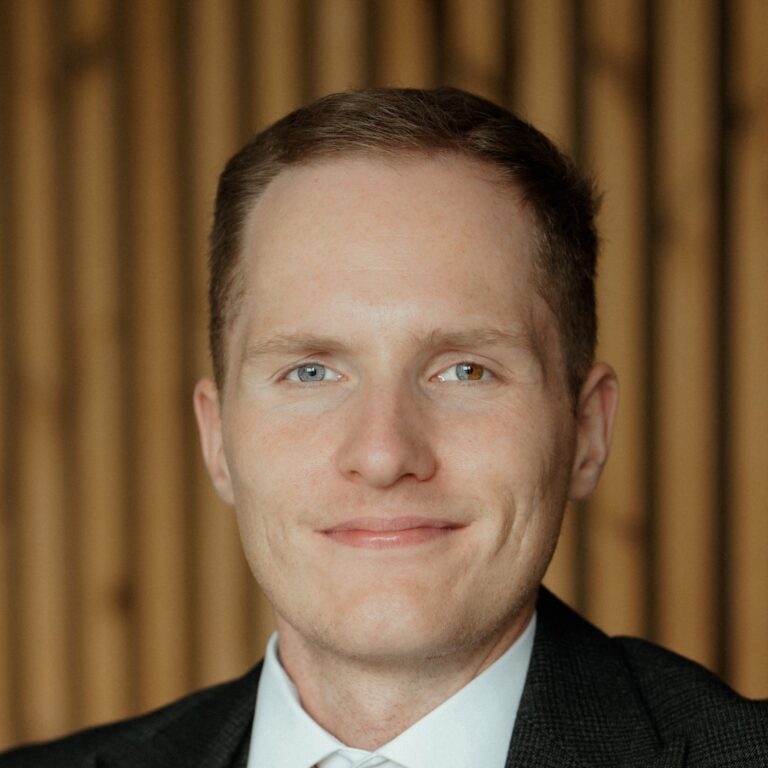
David NelsonDavid NelsonCo-founder, Earthrise Community within the Planetary Health Alliance, Invited Faculty at the Nova Center for Justice and Mental Well-being
Daria IgudesmanDaria IgudesmanPostdoctoral Research Fellow at the AdventHealth Translational Research Institute
Neil WilliamsNeil WilliamsAssociate Professor of Nutrition Science and Exercise Physiology at Nottingham Trent University (UK)
Rikeish R MuralitharanRikeish R MuralitharanResearch Fellow at Monash University
Anna Samarra Mas, PhDAnna Samarra Mas, PhDPostdoctoral researcher in Lars Bode’s laboratory at the University of California San Diego
John KennyJohn KennySenior Research Officer at Teagasc Food Research Centre
Ana Aleksic, MSc PharmAna Aleksic, MSc PharmScience writer, content strategist, and visual science communicator
Dr. Jonathan ChapmanDr. Jonathan ChapmanVilnius-Utrecht Center for Advanced Disease Modelling, Faculty of Medicine, Vilnius University, Lithuania
Marcelline Goyen, BScMarcelline Goyen, BScDermal Therapist (non-practicing), professional educator, author specializing in the complex mechanics of the skin-gut axis and founder of www.skin-gut-axis.com

Soledad Gurovic, PhDSoledad Gurovic, PhDFunctional Ingredient Strategist

Interested In Sponsoring or Speaking at our Winter Summit?

Meet Our 2026 Winter Summit Event Sponsors:

Champion Sponsor

Partner Sponsor

Program Supporters

When you register, you'll be joining industry experts across the globe

Our summit is created to serve the top companies in the industry, and all individual leaders for best-in-class education. Here are some of the industry organizations you can expect to find and connect with:

ADM
Advanced Biotics
Agrifiber Solutions
AIDP
Anagenix Ltd
APC Microbiome
Applied Food Sciences
Ardent Mills
Atlantia Clinical Trials
Avanza
Bayer
BIOASTER
BioGaia Pharma Ab
Bioform Solutions
BioSource Cultures & Flavors Inc
Bio-Tech Pharmacal Inc.
Campbell Soup Company
Caricol – Digestive & Immune Health GmbH
Carlson Laboratories,  Inc.
CarobWay Ltd
Center of Food and Fermentation Technologies
Chr. Hansen
Colgate Palmolive
Comet
CosmosID
CP Kelco
Cypress Systems
DairyTech Communications
Danone Nutricia Research
Deloitte
DSM
Eagle Genomics
Euro Chemicals,  Inc.
Eurofins
Finzelberg
Firmenich
Fonterra
Food for Health Ireland
Foodworks
FrieslandCampina
GCV Life
Givaudan
Glanbia Nutritionals
Grande Cheese Company
Harvest Fuels, Inc.
Healthbiome
Healthy Directions
ImmuneBiotech AB
Inbiose NV
iNewtrition
Ingredion
International Institute for Anti-ageing
Johnson & Johnson
Jarrow Formulas
KAAPA Biotech
Kyowa Hakko USA
Mars Inc.
Microbiotica Ltd.
Microbiome Inc.
Mondelez International
National Agri-Food Biotechnology Institute
Natural Factors
Nestle Health Sciences
Neogen
Neuro-Syncrony
Nutrasource
NutriScience Innovations
PharmaCare NZ Limited
Plexus Worldwide
Postbiotics +
PreBio USA, Inc.
Probi USA
Progressive Labs
Reshape Biotech
Resilient Biotics
Roquette
Rudra Bioventures
Sage Bionetworks
Salus Labs International
Sanitarium
Sanofi
Seed Health
Seventure Partners
SFI Health
Skyridge Nutratech LLP
Sunergia
SureScreen Scientifics
Symrise AG
Synbiotic Health, Inc.
Tata Chemicals Ltd
Tate & Lyle
Technion
The Synergy Company
Thorne Health Tech
Trajan Scientific and Medical
Tufts Food & Nutrition Innovation Institute
Unilever
USANA Health Sciences
USP
Valens Nutri
Vibrant Health
Walgreens
Wave Foods
WellthyRx
WholeFoods Market
Yakult
YSOPIA BIOSCIENCE
ZEN PHARMA